Batemates Team
Batemates Team
Cummunity
Cummunity
Breaking the Stigma: a history of shame around male masturbation
Breaking the Stigma: a history of shame around male masturbation
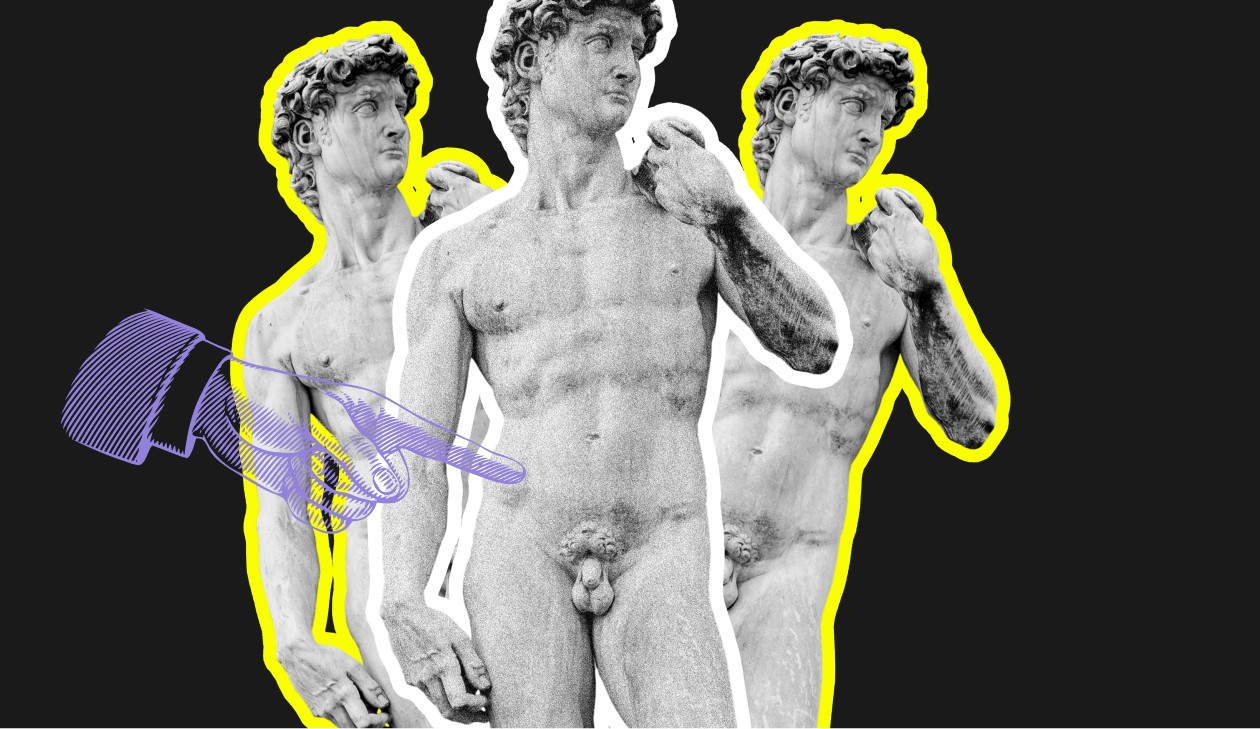
Self-pleasure is natural, yet it has been shrouded in shame for millennia. Understanding this history shows why stigma still persists today and why open, honest conversation is essential. By examining culture, religion, and science, we can challenge myths and reclaim a healthier, informed view of male sexuality.
Self-pleasure is natural, yet it has been shrouded in shame for millennia. Understanding this history shows why stigma still persists today and why open, honest conversation is essential. By examining culture, religion, and science, we can challenge myths and reclaim a healthier, informed view of male sexuality.
From Creation to Condemnation
In ancient Egypt, Greece, and Rome, self-pleasure wasn’t a big deal. It appeared in myths, art, and everyday life as something human, not sinful. The Egyptian god Atum was even said to have created the world through an act of self-generation. Greeks wrote about desire for one’s own and self-knowledge; Romans saw self-pleasure as part of life. Then came centuries of religion and moral control. With Christianity’s rise, pleasure became suspect and the body was cast as the enemy of the soul. From pulpits to pseudo medical books, the message was clear: resist temptation or pay the price.
The 18th-Century Panic
In 1712, Swiss doctor Samuel-Auguste Tissot published L’Onanisme, claiming that masturbation caused blindness, memory loss, and even death. It may sound absurd now, but it was deadly serious then. His ideas spread across Europe, sparking moral panic. By the 1800s, it became a crusade: bizarre anti-masturbation devices, restrictive diets, and endless sermons painted self-pleasure as weakness and disease.
The Victorian Obsession With Control
Victorian society turned fear into discipline. Desire was the enemy; restraint, the ideal. The male body was to be monitored, impulses suppressed. It wasn’t science — it was about control: of the body, of emotion, of morality. The result was generations of men taught that something natural was shameful.
Science and Sanity
The 20th century began to crack that narrative: Freud and later Kinsey reframed sexuality as normal and universal. Real data replaced moral panic, revealing that nearly everyone masturbates. So in the end the language began shifting — from sin to science, from shame to curiosity.
The Modern Conversation
By the late 1900s, with sex education and psychology, attitudes softened. Masturbation became recognized as harmless, even healthy. Still, stigma lingers. Society tells men to be confident and in control — yet when it comes to their self-pleasure, silence and shame remain. Stigma doesn’t just disappear. It shapes how we talk — or don’t talk — about sexuality. It hides in jokes, in awkwardness, in misinformation. And understanding its roots helps us unlearn it. The goal isn’t glorification, but rather honesty. What once passed for “moral truth” was often just fear and control.
A Healthier Way Forward
Today, science is clear: self-exploration is normal. It’s about knowing your body and boundaries, not about guilt. A healthier view of male sexuality starts with honesty — recognizing that desire is complex, and knowledge is better than shame. Open conversation creates space for everyone to do the same. From ancient myths to moral hysteria, the story around masturbation has changed many times. Now it’s ours to rewrite — grounded in science, respect, and truth.
Because the truth is simple: being human has never been something to apologize for.
STAY IN THE BATE CIRCLE
Subscribe to stay in the loop about our product updates, articles, bate schedules, and community updates. Unsubscribe at any time.
STAY IN THE BATE CIRCLE
Subscribe to stay in the loop about our product updates, articles, bate schedules, and community updates. Unsubscribe at any time.
More articles

Our Ball Stretchers Guide
Our Ball Stretchers Guide

Introducing BM Live Sesh: A new Rhythm in the Batemates community
Introducing BM Live Sesh: A new Rhythm in the Batemates community

The Gooning Misconception: A Bator’s Reality Check
The Gooning Misconception: A Bator’s Reality Check

Batemates x Poppers-Now
Batemates x Poppers-Now
How bating helped me accept my body
How bating helped me accept my body

Pictures on Batemates Are Now for Premium Members Only: An Important Step to Preserve Our Community
Pictures on Batemates Are Now for Premium Members Only: An Important Step to Preserve Our Community
STAY IN THE BATE CIRCLE
Subscribe to stay in the loop about our product updates, articles, bate schedules, and community updates. Unsubscribe at any time.